Creating autonomous
scientific discovery

Experative is the memory and judgment that make reliable autonomy possible. It is the operating layer a self-driving laboratory needs before it can run itself, holding what was tried, why, and what it means for the next decision.
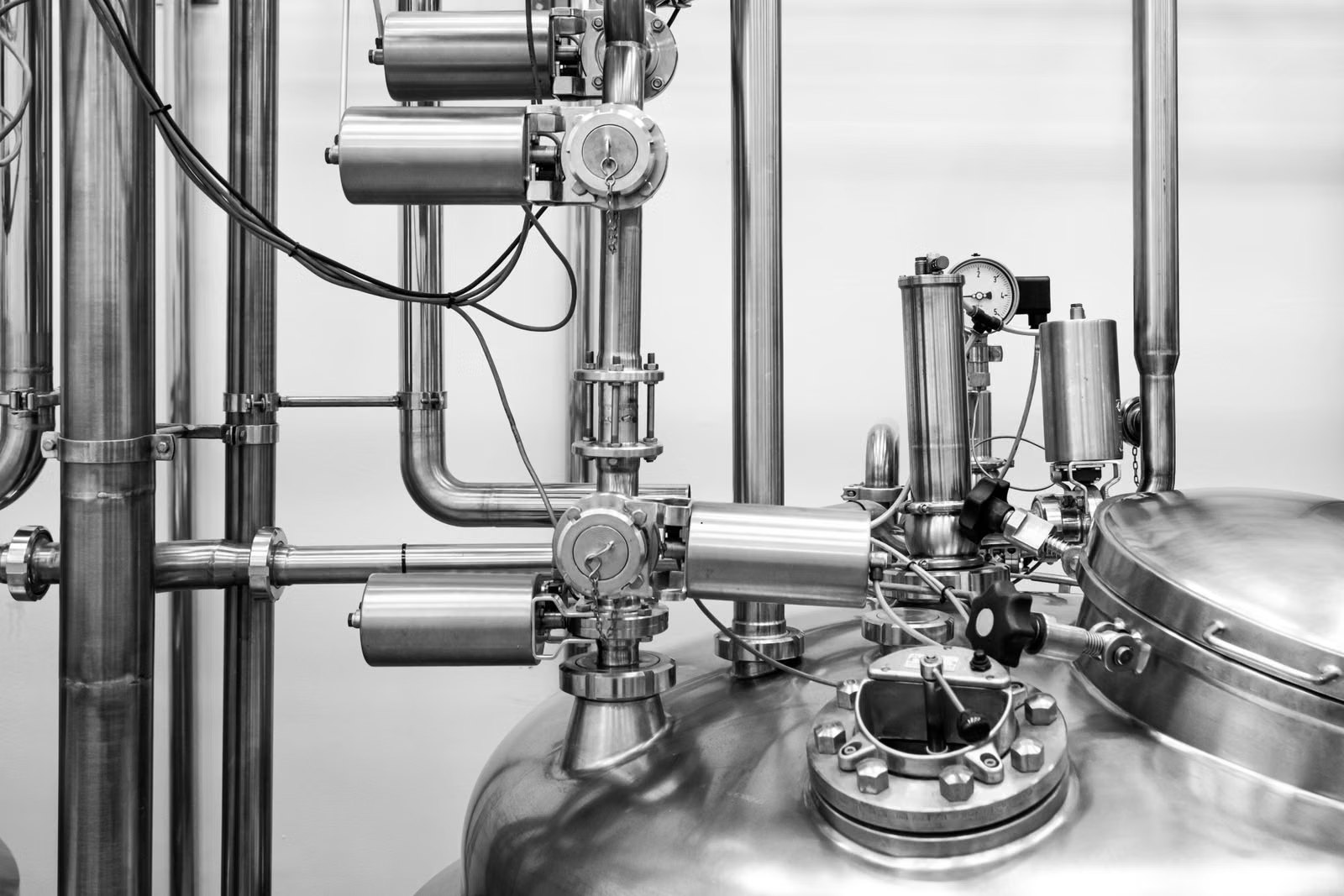

Stainless-steel process vessel with sanitary piping, valves and a pressure gauge

Roadmap

From decision-grade memory to a self-driving laboratory

Each transition has to be earned. Moving to the next stage requires evidence that decision quality is improving, not merely that more work can be run. At every stage we keep source-linked evidence, decision rationale, outcome interpretation and documented learning.

Stage one

Learning layer

Capture conditions, provenance and negatives, so the record can be routed later rather than merely stored.

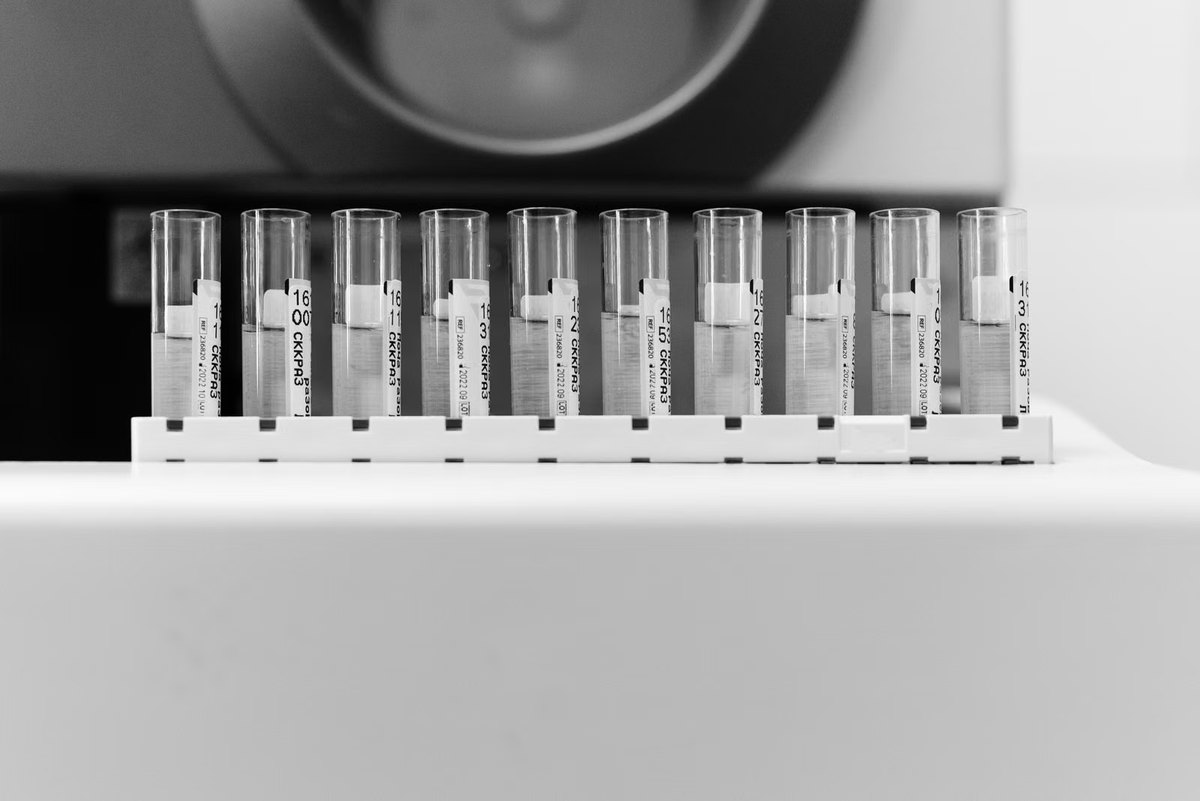
A technician logging results beside labelled sample tubes
Stage two

Decision pilots

Recommend or refuse, with the supporting evidence in view. A refusal is a correct output, not an error state.

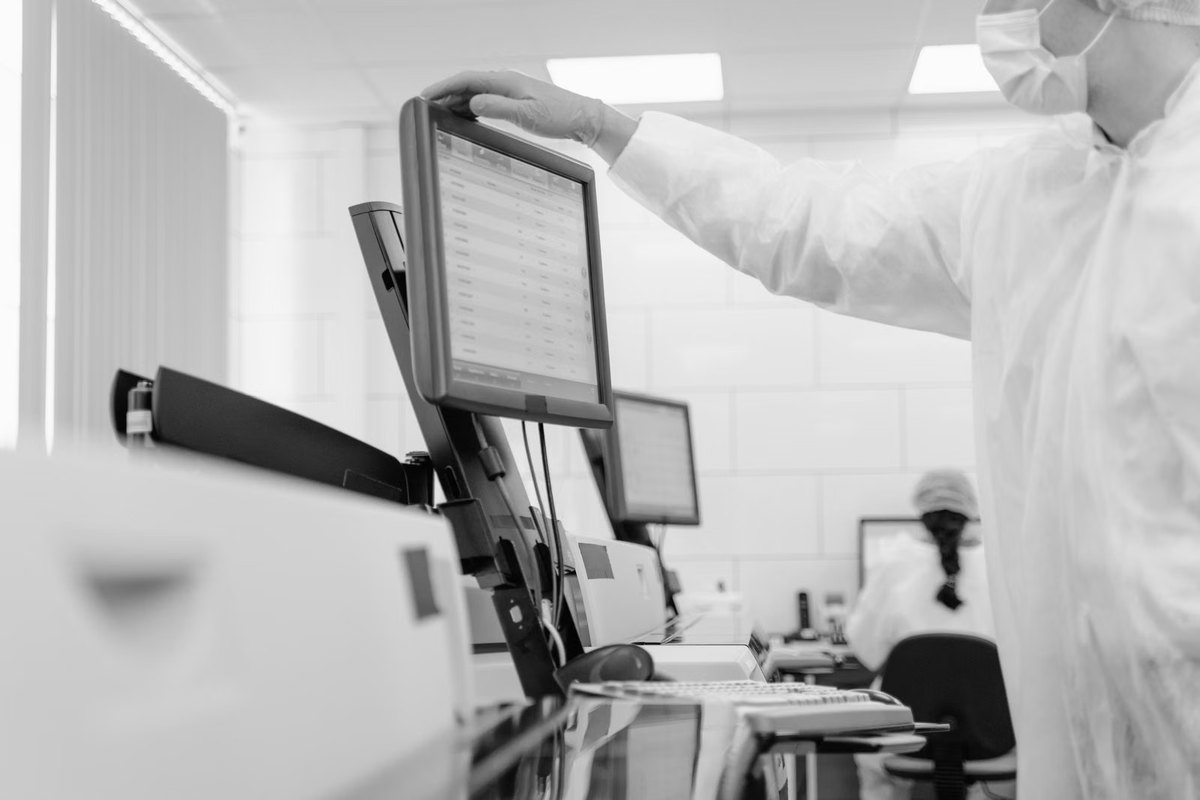
A researcher reading results from a screen before deciding what to run
Stage three

Closed learning

Rank the next experiments and learn from what comes back, so each returned result changes what follows.

A rack of labelled samples queued for the next round of testing
Stage four

Automated runs

Send approved work to lab automation, with the run record attached back to the decision that ordered it.

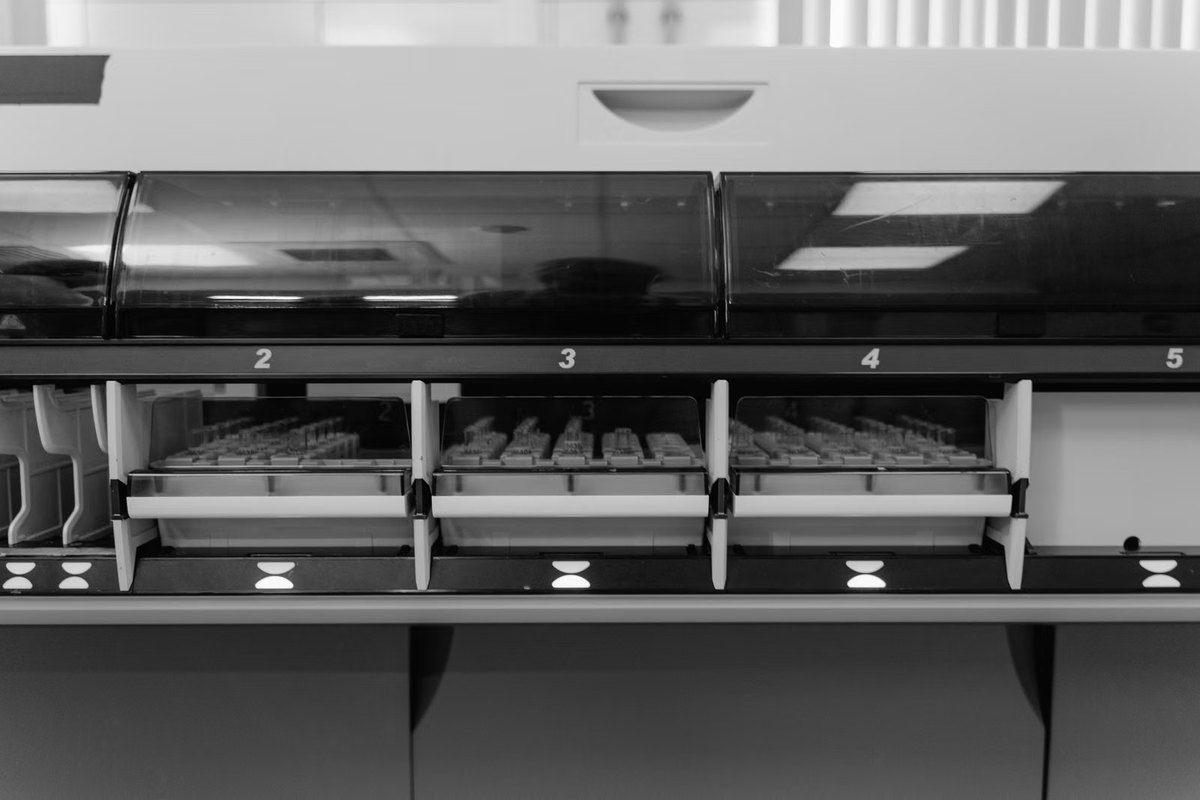
An automated analyser working through a tray of samples
Stage five

Self-driving laboratory

Propose, run, interpret and document continuously. Every automated experiment stays reconstructable, holding what was known at the decision, why the run was selected, what the outcome means, and how it changes the next action.

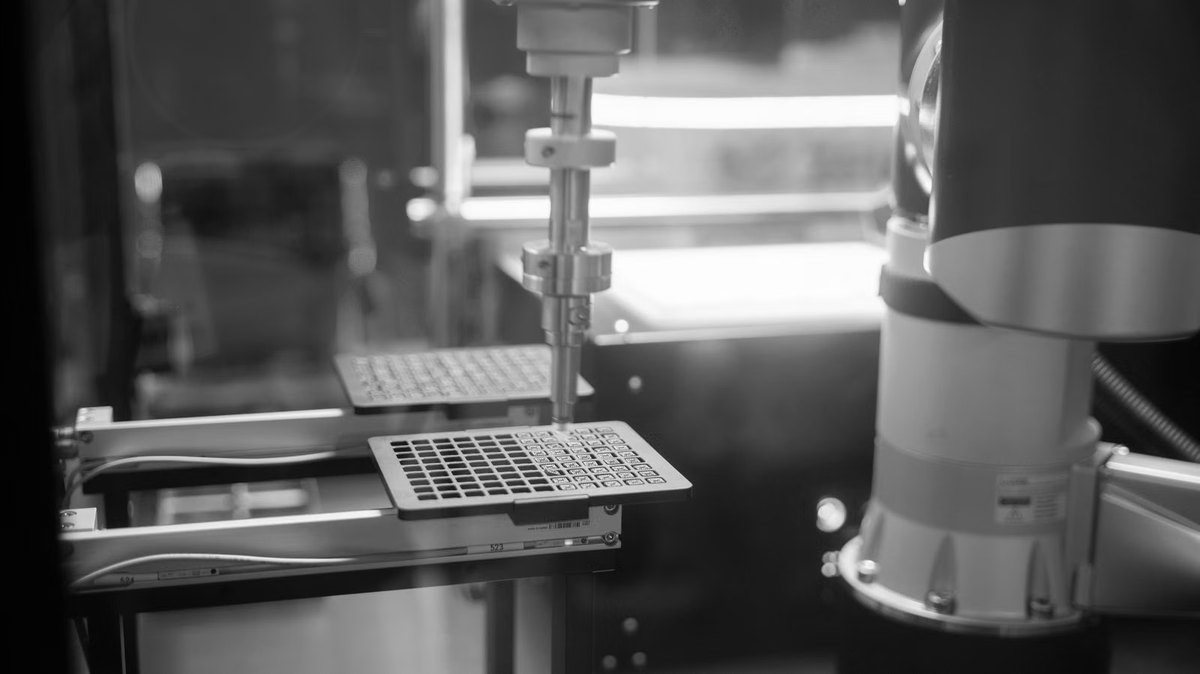
A robotic arm handling a microplate on an automated laboratory bench

Every experiment informs the next.

Get in touch